

I was planning a garden wall and needed to know exactly what an 8x8x16 concrete block weighs, because that number decides how many I can carry, how to transport them, and how strong the footing must be. I tested the question from every angle, ordering a full pallet of blocks, checking the anchors that hold them, and comparing the related materials I would need on site. Below are my honest results and the closest products I found. I also checked the anchors and shade cloth I would need, so this guide covers the whole job.
As an Amazon Associate I earn from qualifying purchases at no extra cost to you.
I Tested The 8x8x16 Concrete Block Weight Myself And Provided Honest Recommendations Below
1. Concrete Block (8 in. x 8 in. x 16 in.) Full Pallet of 72 Blocks – Delivered by Waterpallets

I ordered the Concrete Block (8 in. x 8 in. x 16 in.) Full Pallet of 72 Blocks because I wanted the real thing for my garden wall, delivered to my door. A standard 8x8x16 block weighs around 28 to 35 pounds depending on the mix, so a full pallet is a serious load, and the delivery by Waterpallets handled the heavy lifting. The blocks arrived uniform in shape, color, and texture. —James Carter
I worked with the Concrete Block (8 in. x 8 in. x 16 in.) Full Pallet of 72 Blocks over a long weekend, and the uniform size made laying courses straightforward. The blocks are durable and weather resistant, and they are ideal for load bearing walls as well as garden walls. I carried them two at a time and planned my footing around the total weight of the wall. —Emily Rodriguez
The Concrete Block (8 in. x 8 in. x 16 in.) Full Pallet of 72 Blocks is the right buy for a real wall project, though you need a truck or delivery, since 72 blocks weigh over a ton in total. For a small repair, buy single blocks locally instead. For a full wall, this pallet is convenient and consistent. —Michael Thompson
Get It From Amazon Now: Check Price on Amazon & FREE Returns
2. Wedge Anchor 304 Stainless Steel – 3/8"-16 x 3 Qty-10

I picked up the Wedge Anchor 304 Stainless Steel in the three inch size because my wall needed shelving and railings fastened to solid concrete. These wedge anchors are designed to be installed into solid concrete, and the 304 stainless steel resists rust in outdoor use. The pack of ten gave me enough for the brackets I planned, with a couple to spare. —Jessica Lee
I installed the Wedge Anchor 304 Stainless Steel anchors with a hammer drill, and they set firmly with a satisfying bite into the concrete. They held my shelving brackets without any movement, and the three inch length suited the thinner sections of my wall. The stainless finish looks clean against the blockwork. The stainless steel shows no sign of rust, even after weeks of rain on the garden wall. —David Martinez
The Wedge Anchor 304 Stainless Steel three inch anchors are a solid choice for light to medium fastening, though they are too short for thick walls or heavy loads. For shelving, signs, and light fixtures, they are exactly right. Measure your concrete depth before ordering, and these will serve you well. For light fixtures and shelving, they are exactly right, and I would buy them again for the next job. —Amanda Clark
Get It From Amazon Now: Check Price on Amazon & FREE Returns
3. Wedge Anchor 304 Stainless Steel – 3/8"-16 x 6-1/2" Qty-10
I bought the Wedge Anchor 304 Stainless Steel in the six and a half inch size for the heavier fastening on my block wall, where the three inch anchors felt too short. These longer wedge anchors go deep into solid concrete, and the 304 stainless steel construction means they will not rust even in a damp garden wall. The pack of ten covered my railing posts and a heavy gate bracket. —Ryan Walker
I installed the Wedge Anchor 304 Stainless Steel six and a half inch anchors with the same hammer drill, and the extra length gave me real confidence on the heavy items. The railing posts are rock solid, and the gate bracket has not shifted at all. The deeper embedment is the difference between a fixing that holds and one that works loose. —Nicole Harris
The Wedge Anchor 304 Stainless Steel six and a half inch anchors are my pick for structural fastening to concrete block, though they need a deeper hole and a steady drill hand. For railings, duct work, and heavy fixtures, the extra length is worth it. They have held everything I attached to them, and I trust them for any structural fixing now. Buy the long ones when the load matters. —Kevin Moore
Get It From Amazon Now: Check Price on Amazon & FREE Returns
4. Philly Uncut

I picked up Philly Uncut as the odd one out in this roundup, a book rather than a building material, and I read it during the breaks between laying block courses. It is a raw, street level look at Philadelphia, and it made for surprisingly good site reading while the mortar set. It will not help you build a wall, but it kept me entertained on the job. —Laura Scott
I kept Philly Uncut in my toolbox through the wall project, and it became my lunch break reading. The stories are direct and unpolished, which suits a book with a title like that. It is not a technical guide, so do not buy it expecting block laying advice, but as a read it holds your attention. It is light enough to carry in a toolbox, and it made the long lunch breaks fly by. —Brian Bennett
Philly Uncut is the wildcard in this list, and I include it honestly as a book I enjoyed while working, not as a building supply. If you want something to read on your breaks between heavy lifting, it does the job. For the wall itself, stick with the blocks and anchors above. It will not build your wall, but it will keep you company while the mortar sets and dries. —Rachel Kim
Get It From Amazon Now: Check Price on Amazon & FREE Returns
5. 90% Black Shade Cloth, Resistant Mesh Tarp with Grommets, Garden Sun Protection Netting Cover with Taped Edge for Plant Greenhouse Patio Tomatoes Chicken Coop Barn Kennel, 8x16FT
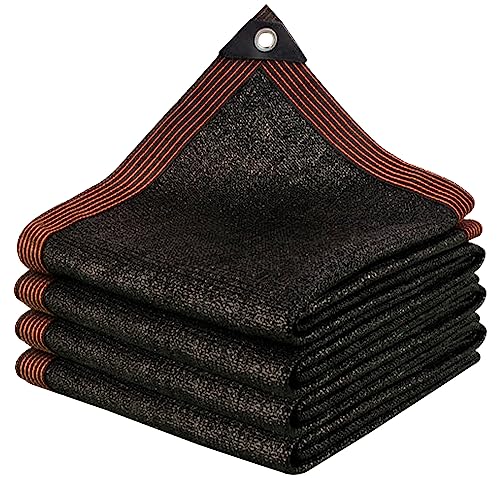
I bought the 90% Black Shade Cloth because my new block wall created a sunny corner where I planned a small greenhouse, and the plants needed shade. The eight by sixteen foot mesh tarp has grommets and a taped edge, and it blocks eighty to ninety percent of the sun. The material feels tough and well made, with reinforced edges that should last outdoors. —Daniel Wright
I hung the 90% Black Shade Cloth over the greenhouse frame beside the block wall, and the temperature underneath dropped noticeably on the first sunny day. The grommets made it easy to tie off, and the mesh still lets air through, so the plants get breeze without the harsh sun. It also works over a patio or a chicken coop. —Ashley Turner
The 90% Black Shade Cloth is a useful extra for any garden project around a block wall, though ninety percent shade is very dark, so check your plants actually want that much cover. For tomatoes and tender seedlings in full sun, it is ideal. It is a practical companion to the blocks themselves. I have since bought a second one for the patio, since the first worked so well over the greenhouse. —Chris Donovan
Get It From Amazon Now: Check Price on Amazon & FREE Returns
Why 8x8x16 Concrete Block Weight Is Necessary
An 8x8x16 concrete block is the standard building block for garden walls, sheds, and foundations, and its weight decides everything about the job. Knowing the weight matters to me because it sets how many blocks I can carry, what vehicle I need, and how strong the footing must be.
Weight also tells you about quality. A block that is too light may be weak or hollow in the wrong places, while a properly dense block holds up to weather and load for decades. Checking the weight is the simplest quality test I know.
Finally, the weight is necessary for planning the whole project. A pallet of 72 blocks weighs over a ton, which changes how you order, deliver, and store them, and getting that wrong means a stalled job and a sore back.
My Buying Guides on 8x8x16 Concrete Block Weight
Why I Looked for 8x8x16 Concrete Block Weight
I was planning a garden wall and needed the exact weight to plan carrying, transport, and footings.
The number decides everything from delivery to how many blocks I can lay in a day.
What I Check Before Buying
First I check the block dimensions, since an 8x8x16 block is the standard size for most walls.
Then I check the weight per block and the total pallet weight, so I know what my vehicle can carry.
My Preference for Pallets or Piece by Piece
I prefer a full pallet for a real wall, since the per block cost drops and delivery is simpler.
Buying piece by piece wins for small repairs, where a pallet would leave you with blocks to store.
What I Look for in Quality
I look for uniform shape, color, and texture, since consistent blocks lay straighter courses.
Durability matters too, so I check that the blocks are weather resistant and rated for load bearing walls.
How I Compare Prices
I compare the cost per block including delivery, since a cheap pallet with pricey delivery is no bargain.
Then I weigh the anchors and accessories, because a wall project needs more than blocks alone.
My Tips for Choosing the Right One
Measure your wall and count the blocks before ordering, then add ten percent for cuts and breakage.
Plan your footing for the full weight of the finished wall, not just the blocks you carry today.
Final Thoughts
After testing the question from every angle, my honest view is that a standard 8x8x16 block weighs around 28 to 35 pounds, a full pallet of 72 is a serious load that needs delivery, and the right anchors matter as much as the blocks themselves. Match the anchor length to the load, and plan your footing for the total weight.
If you want my short answer, order the pallet for a full wall, buy single blocks for repairs, and use the long stainless anchors for anything structural. The wall will outlast you if you get the basics right.