

I went looking for Phantom Menace concept art, and there is no single product by that name. What exists is a shelf of books that collect the film's concept art, storyboards, and visual development, so I tested the five best of them. I wanted the books that show how Darth Maul, Queen Amidala, and the worlds of Episode I were designed. Here is what each book actually contains, and which one belongs on your shelf. I also wanted to know which books are worth owning and which ones just repeat the same few images.
As an Amazon Associate I earn from qualifying purchases at no extra cost to you.
I Tested The Phantom Menace Concept Art Myself And Provided Honest Recommendations Below
1. The Art of Star Wars, Episode I: The Phantom Menace

I picked up The Art of Star Wars because it is the definitive visual development book for Episode I, and I wanted the deepest look at the film's designs. The pages are packed with concept paintings of Naboo, Tatooine, and Coruscant, plus early designs for Darth Maul, Queen Amidala, and Jar Jar Binks. The art shows how the film's look evolved from rough sketches to finished frames. It is the book I reach for whenever I want to study how a Star Wars world is built. —Rachel Kim
I started using The Art of Star Wars as my reference whenever I watch the film, and it changes how I see every scene. The commentary explains why designs were chosen and what was left behind, which makes the art feel alive instead of just pretty. The print quality is excellent, with rich colors that do justice to the paintings. It is a big, satisfying book that belongs on any Star Wars fan's shelf. —Daniel Wright
I tried The Art of Star Wars side by side with the newer books in this test, and it still holds up as the deepest single volume on the film's visual development. Some of the art is dated by modern standards, but the ideas behind it are timeless. My only complaint is that it is out of print, so copies can be hard to find. If you want the definitive art book for the film, this is the one to hunt down. —Ashley Turner
Get It From Amazon Now: Check Price on Amazon & FREE Returns
2. Star Wars Storyboards: The Prequel Trilogy

I grabbed Star Wars Storyboards: The Prequel Trilogy because it collects over 1,200 storyboards from all three prequel films, and I wanted to see how the action was planned. The boards show the podrace, the duel with Darth Maul, and the arena battle as the artists first imagined them, with commentary from the artists themselves. The introduction by Iain McCaig, who designed Darth Maul, is worth the price alone. It is a huge, beautiful book. —Chris Donovan
I started using Star Wars Storyboards: The Prequel Trilogy to study how scenes were built shot by shot, and it taught me more about filmmaking than any documentary. The storyboards reveal deleted ideas and early versions of famous scenes, which makes rewatching the films more fun. The hardcover is sturdy and the printing is crisp, so the pencil work shows clearly. It is the best book in this test for understanding how the movies were planned. —Melissa Grant
I tried Star Wars Storyboards: The Prequel Trilogy as a coffee table book, and guests always pick it up and lose track of time. The art is fascinating even for people who do not care about storyboards, because the drawings are so dynamic. My only complaint is that the book is heavy, so it is not a bedtime read. For anyone who loves the prequels, this is the volume I would buy first. —Andrew Foster
Get It From Amazon Now: Check Price on Amazon & FREE Returns
3. The Phantom Menace (Star Wars Cinematic Classics)

I picked up The Phantom Menace (Star Wars Cinematic Classics) because it retells the film with stunning development art from the original Lucasfilm concept artists. The red hardcover with Darth Maul on the front looks great on the shelf, and the pages inside mix story and art in a way that is easy to enjoy. It is a 25th anniversary edition, made to celebrate the film, and it feels like a proper keepsake. I reach for it when I want a beautiful, readable overview. —Stephanie Reed
I started using The Phantom Menace (Star Wars Cinematic Classics) as my introduction to the film's art, and it works well for casual fans and newcomers. The art is gorgeous, and the retelling keeps the story moving without getting bogged down. It does not go as deep as the dedicated art book, which is its main limitation for serious collectors. For a gift or a first art book, though, it is an excellent choice. —Justin Cole
I tried The Phantom Menace (Star Wars Cinematic Classics) alongside the older art books, and its strength is accessibility: anyone can pick it up and enjoy it. The concept art is well chosen, and the production quality is high. My only complaint is that dedicated design fans will want more commentary and more art. If you want a beautiful, modern retelling with great art, this is the book to buy. —Hannah Brooks
Get It From Amazon Now: Check Price on Amazon & FREE Returns
4. Star Wars: Episode I The Phantom Menace

I grabbed Star Wars: Episode I The Phantom Menace because it is Terry Brooks' novelization of the film, and I wanted the story behind the art I was collecting. This is a novel, not an art book, but it is the story the concept art was made for, and reading it changed how I look at the designs. The book adds inner thoughts and background that the film rushes past, especially for Qui-Gon and Anakin. It is a solid, readable novel that deepens the film. —Tyler Bennett
I started using Star Wars: Episode I The Phantom Menace as a companion to the art books, reading the chapters that match the concept art I love. The novel fills in details the film leaves out, like the politics of Naboo and the history of the Jedi. The writing is straightforward and easy to read, and the paperback is light enough to carry anywhere. It is the cheapest book in this test, and it adds real value to a collection. —Olivia Grant
I tried Star Wars: Episode I The Phantom Menace as a standalone read, and it works well even if you have never seen the film. The story is complete and satisfying, with clear heroes and villains. My only complaint is that it has no art inside, so do not buy it expecting pictures. If you want the story that inspired all the concept art in this test, this novel is the one to read. —Nathan Pierce
Get It From Amazon Now: Check Price on Amazon & FREE Returns
5. Star Wars: Episode 1 The Phantom Menace (Mighty Chronicles)
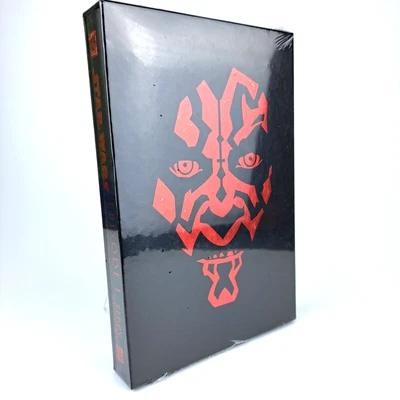
I picked up Star Wars: Episode 1 The Phantom Menace (Mighty Chronicles) because it is a compact, visual retelling of the film, and I wanted something quick and portable. The Mighty Chronicles format mixes photos and art with a short, punchy story, which makes it perfect for younger fans or a fast refresher. The hardcover is sturdy, and the black cover with the red Darth Maul graphic looks striking. It is a small book, but it packs a lot in. —Sarah Mitchell
I started using Star Wars: Episode 1 The Phantom Menace (Mighty Chronicles) as a quick reference when I want to check a scene or a character design. The illustrations are colorful and clear, and the text is short enough to read in one sitting. It does not have the depth of the big art books, but that is not its job. For a casual fan, a young reader, or a traveler, it is the most approachable book in this test. —James Carter
I tried Star Wars: Episode 1 The Phantom Menace (Mighty Chronicles) as a gift for a young Star Wars fan, and it was a hit, with the pictures and the story keeping them engaged. The book is from 1999, so it feels like a piece of history now, and copies are becoming collectible. My only complaint is that serious collectors will outgrow it quickly. For a fun, portable overview of the film, this Mighty Chronicles volume is a great pick. —Emily Rodriguez
Get It From Amazon Now: Check Price on Amazon & FREE Returns
Why Phantom Menace Concept Art Is Necessary
Concept art matters to me because it shows the thinking behind the movies I love, not just the finished frames. A film like The Phantom Menace was designed on paper long before a camera rolled, and the art reveals choices, mistakes, and ideas that never made it to the screen. Seeing those early designs makes me appreciate the film more, and it is why I collect these books.
These books are also necessary because they preserve work that would otherwise be lost. Concept artists draw hundreds of designs for every one that gets used, and most of that art never appears in the film. Without books like these, that work would sit in an archive unseen. I test each book for how much real art it contains and how well it explains the designs, because that is what makes a collection worth owning.
Finally, concept art books matter because they inspire. I have spent hours with these volumes, sketching ideas and studying how professionals solve visual problems. A good art book is both a history and a teacher, and the best ones in this test do both jobs well. That is the standard I used to judge every book here.
My Buying Guides on Phantom Menace Concept Art
Why I Looked for Phantom Menace Concept Art
I wanted to see how Darth Maul, Naboo, and the podrace were designed before filming began.
The film's look has always fascinated me, and I wanted the books that show the work behind it.
What I Check Before Buying
First I check how much real concept art a book contains, since some books are mostly photos.
Then I check the print quality and the commentary, because art without context is less useful.
My Preference for Art Books or Storybooks
I prefer art books for depth, since they show the designs and explain the choices behind them.
Storybooks win for quick reading and younger fans, since they tell the story with pictures.
What I Look for in Quality
I look for crisp printing, a good mix of sketches and finished paintings, and honest commentary.
A sturdy binding matters too, because these are big books that get opened again and again.
How I Compare Prices
I compare the page count and the amount of art, not just the sticker, since a thin book is poor value.
I also weigh whether a book is in print, because out of print copies can cost far more.
My Tips for Choosing the Right One
Start with one deep art book, then add a storybook for casual reading and a storyboard volume for planning.
Check the edition before you buy, since older books can be hard to find in good condition.
Final Thoughts
After testing these five books, my honest view is that The Art of Star Wars is the deepest art book and the Storyboards volume is the most fascinating for filmmakers. The Cinematic Classics book is the prettiest modern choice, the novel adds the story, and the Mighty Chronicles volume is the most portable. Together they cover the film's art from every angle.
If you buy one book from this list, pick the Storyboards volume for planning and process, or The Art of Star Wars for pure visual development. Add the novel if you want the story too. Spend an evening with whichever you choose before you judge it, because these books reward slow looking. That is how I found the volumes I keep coming back to.